

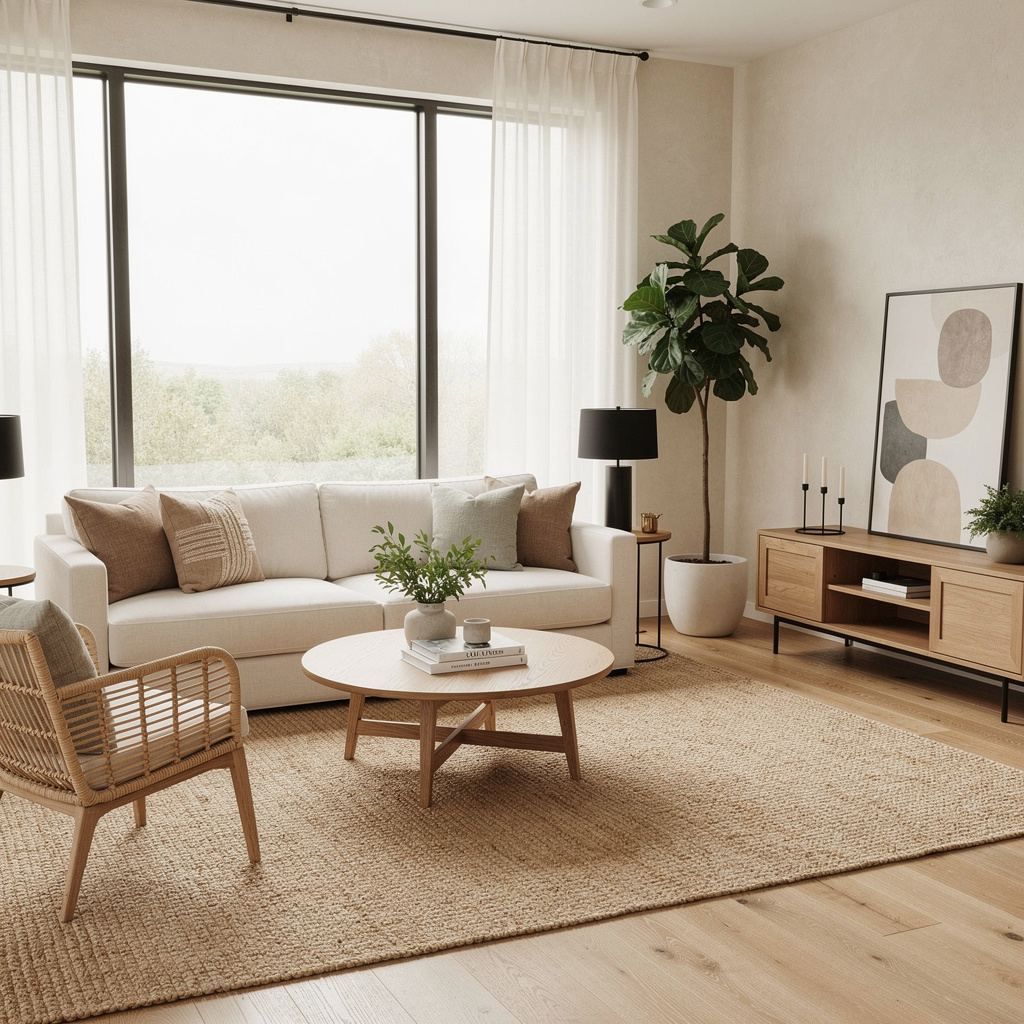
If you've been scrolling through interior design inspiration lately, you've probably noticed a major shift happening in the world of home décor. The cold, sterile, all-white minimalism that dominated the 2010s is quietly stepping aside to make room for something far warmer, more soulful, and infinitely more livable. Organic modern living rooms are defining interiors in 2026, blending clean lines with natural textures for spaces that feel both refined and deeply comfortable. And the best part? You don't need an interior designer on speed dial or an unlimited budget to pull it off — because Amazon Home Decor has become one of the most accessible and surprisingly stylish destinations to shop this look. Whether you're starting from scratch or simply refreshing what you already have, this guide is going to walk you through everything you need to know to design a modern organic living room that feels like a true sanctuary.
What Is Modern Organic Living Room Design?
Before we dive into the shopping lists and styling tips, it's worth pausing to really understand what we mean when we say "modern organic" design. This isn't just a buzzword or a Pinterest aesthetic with a fancy name — it's a genuinely cohesive interior philosophy that has roots in multiple design traditions and speaks to something deeply human in all of us. Think of it as the design equivalent of taking a deep breath after a long, stressful day. It's a style that says you can have a home that looks intentional, curated, and beautiful, but still feels comfortable enough to actually live in. That's a balance that's harder to strike than it sounds, and it's exactly why organic modern design has become such a dominant force in the interior design world right now.
The Core Philosophy Behind Organic Modern Style
Modern Organic Design is powerful because it satisfies human emotional needs: the need for nature, the need for calm, the need for sensuality, the need for grounding, the need for softness, and the need for authenticity. It is the design equivalent of exhaling — of stepping into a room and feeling immediately at ease. At its heart, this style is about creating spaces that feel lived-in and genuine rather than staged or overly polished. Natural materials are essential in organic modern interiors. Wood, clay, linen, rattan, jute, and ceramic pieces instantly soften a modern space and add warmth. Handcrafted pieces are especially important because they add character and authenticity. The philosophy doesn't ask you to strip everything away and live in a bare, uncomfortable room. Instead, it asks you to be intentional about what you bring in, layering materials and textures thoughtfully so that every object earns its place in the room.
How It Differs from Minimalism and Japandi
A lot of people confuse organic modern design with minimalism or Japandi, and it's easy to see why — all three styles share a love of clean lines and uncluttered spaces. But there are meaningful differences that set them apart. Pure minimalism tends to feel cold and almost clinical in its restraint, stripping spaces down to almost nothing in a way that can feel more like a showroom than a home. Japandi, the popular fusion of Japanese and Scandinavian design principles, leans heavily into simplicity and a neutral, muted palette that can skew cool and understated. Japandi focuses more on Scandinavian and Japanese simplicity, while organic modern interiors feel warmer, softer, and more textured. Organic modernism endures because it is built on what does not date: honest materials, clean forms, and a considered sense of comfort and ease. It is not a trend in the conventional sense, but a way of thinking about home. In short, organic modern gives you the structure of modern design with the warmth and soul that true minimalism often lacks.
The 2026 Color Palette for Organic Modern Living Rooms
Color is one of the most powerful tools in any designer's kit, and in the world of organic modern design, the palette is everything. Get the colors right, and your living room will feel like a warm embrace from the moment you walk in the door. Get them wrong, and even the most expensive furniture in the world won't save the room from feeling off. The good news is that the color story for organic modern design in 2026 is incredibly intuitive — it draws directly from the natural world, which means your instincts are probably already pointing you in the right direction.
Warm Neutrals That Set the Mood
The backbone of any organic modern living room is a warm, neutral foundation. Organic modern home decor is typically based on a warm, neutral color palette, so your first step is to add some neutral colors in your home decor. Think white, off-white, beige, taupe, camel, soft gray, and oatmeal. These colors create a calm and soothing atmosphere that's perfect for an organic modern home. These tones work because they serve as a quiet backdrop that lets your natural materials and textures do the talking. When you coat a room in creamy off-white or warm taupe, you're essentially giving your linen sofa, your rattan side table, and your wooden coffee table the room they need to shine. Think of the wall color as the canvas and everything else as the painting — the canvas needs to be neutral enough to support whatever story you're telling.
Earthy Accent Colors to Layer In
Once your neutral foundation is in place, the fun really begins. Warm earthy interiors are one of the strongest home decor trends for 2026, with designers favouring cosy, nature-inspired tones over cool greys and stark whites. That means bringing in terracotta, olive green, mushroom taupe, rust, and warm clay tones through your throw pillows, rugs, ceramics, and accent furniture. These colors work so beautifully in an organic modern room because they feel drawn from the earth itself — they remind us of canyon walls, forest floors, river clay, and dried grasses. Warm beiges and browns create a cozy and welcoming atmosphere, while greens and olives incorporate a touch of freshness and vitality. The trick is to layer these accent colors gradually rather than overwhelming the room with them all at once. Start with one or two anchor pieces in an earthy tone — a terracotta ceramic vase here, an olive green throw pillow there — and build from there.
Natural Materials That Define the Look
If color is the soul of organic modern design, then natural materials are its bones. Without them, the whole aesthetic falls apart. You can paint a room in the most beautiful earthy tones imaginable, but if your furniture is made of shiny plastic and your floors are covered in wall-to-wall synthetic carpet, the organic modern feeling simply won't land. Natural materials are non-negotiable in this style — they're the thing that makes the room feel genuinely connected to the natural world rather than just imitating it from a distance.
Wood, Rattan, Jute, and Stone
Wood is the undisputed king of organic modern materials, and it shows up everywhere in this design style — in furniture frames, flooring, coffee tables, wall paneling, and decorative objects. In 2026 specifically, irregular wood is everywhere, with silhouettes getting looser and frames arcing in continuous, organic lines that follow the body's own contours. Hardwoods like oak and walnut show up in seating and consoles where the grain tracks the curve naturally. Rattan and jute add a casual, textural warmth that's hard to replicate with any other material — think woven pendant lights, rattan side chairs, and jute area rugs that ground the seating area. Natural, woven materials like seagrass, rattan, and wicker are proving big this year, according to Mitchell Parker, the senior editor at Houzz. Stone adds a sense of permanence and weight — a travertine coffee table or a marble side table anchors the room beautifully. Imagine the warmth of hand-applied lime wash walls meeting the sharp edge of black marble, or the soft glow of hidden LEDs illuminating vertical oak slats — this is the language of luxury organic modern design.
Bouclé, Linen, and Tactile Textiles
On the softer side of the material spectrum, bouclé, linen, cotton, and wool are the textiles that organic modern living rooms are built on. Natural fibers continue to dominate, particularly lightweight linens and soft cottons that bring an effortless, airy quality to interiors, aligning with a broader desire for homes that feel relaxed, breathable, and easy to live in. A bouclé sofa is one of the most iconic signatures of the organic modern style right now — the nubby, looped texture of the fabric catches light beautifully and immediately gives a room that expensive, designer feel. Linen curtains that pool gently on the floor, a chunky knit throw draped over the arm of a chair, a wool area rug with a subtle geometric pattern — these are the details that transform a room from generic to genuinely considered. Texture is becoming more important than bold color in 2026 interiors, with designers describing this movement as "tactile luxury" and "warm minimalism."
Furniture Choices for an Organic Modern Living Room

- SPACIOUS AND COMFORTABLE: Our loveseat will be a favorite spot for leisure in your home. It is 77.2 inches wide and spac...
- STURDY AND DURABLE : You don’t have to worry about its durability! Our whole small sofa with a sturdy iron frame and hig...
- WIDELY SCENES: Why not consider adding a stylish small couch for bedroom, living room, apartment, or loft? The mini couc...
Choosing the right furniture is where most people either nail the organic modern look or inadvertently miss it entirely. The furniture in an organic modern living room needs to walk a very specific line — it should feel comfortable and inviting without being bulky or imposing, and it should feel modern and clean without being cold or clinical. The shapes, materials, and scale of your furniture pieces will determine the overall feeling of the room more than almost any other single element.
Curved Sofas and Sculptural Seating
Modern Organic Design embraces curvature — not as trend, but as emotional architecture. Curved furniture, rounded tables, arched openings, sculptural seating, and soft-edged stone islands bring gentleness into contemporary spaces. Curves slow the eye. Curves soften the mind. Curves relax the body. When you're shopping for your main sofa, look for a low-profile design with gently rounded arms rather than sharp, boxy corners. A curved sectional in a warm bouclé or linen fabric is the ultimate organic modern statement piece. The living room continues to embrace the sculptural accent chair as a focal point, with silhouettes inspired by contemporary art, mid-century reinterpretations, and organic forms reminiscent of nature. Don't be afraid to introduce an interesting accent chair with an unusual silhouette — a curved barrel chair in terracotta velvet or a rounded papasan-style seat in natural rattan can do incredible things for the visual energy of the room.
Coffee Tables and Storage with Organic Shapes

- [Trend-Setting Fluted Design] Elevate your living room with this modern drum coffee table, featuring a stylish fluted te...
- [Hidden Storage Solution for Tidy Spaces] Say goodbye to messy tabletops. Behind the smooth sliding cabinet door lies a ...
- [Kid-Friendly Safety & Flow] Designed for real life, the 31.5" circle shape optimizes traffic flow in smaller rooms and ...
Your coffee table is one of the most important pieces in the entire living room, and in an organic modern space, it deserves serious attention. A sculptural stone coffee table — travertine is having a major moment right now — instantly elevates the room and adds that tactile luxury that defines this style. The focus is on grounding the space with a curved coffee table like the Heritage Oval, to encourage flow and ease of movement. For storage, think woven seagrass baskets, wooden crates, and rattan side tables with built-in shelving. A woven seagrass basket, which also sports an organic shape, will instantly make your living room or entryway look more relaxed, and baskets are a good way to store throw blankets so they don't pile up on your couch. Storage in an organic modern room should never feel utilitarian or clinical — every storage solution should be beautiful enough to leave out in the open.
Shopping the Look on Amazon Home Decor
Here's where it gets really exciting. You don't have to spend a fortune at designer boutiques to pull off a genuinely stunning organic modern living room. Amazon Home Decor has exploded into one of the most comprehensive and surprisingly tasteful destinations for this aesthetic. With hundreds of thousands of products across every category — from furniture and rugs to lighting and decorative accents — Amazon makes it possible to build your dream living room without leaving the couch. The key, of course, is knowing what to look for and how to filter through the overwhelming volume of options to find the pieces that will actually serve your vision.
Best Amazon Finds for Rugs and Textiles

- Each rug is hand made and hand woven to add style and durability.Construction type:Hand Loomed.Avoid Direct sunlight sin...
- Each rug is handmade with premium cotton.
- This rug measures 8' x 10'. Pile Height: 0.25 inches, No Backing
The rug is arguably the most transformative single piece in any living room, and on Amazon, the options for organic modern-style rugs are genuinely impressive. Look for natural jute rugs, woven seagrass area rugs, and hand-tufted wool rugs in warm neutrals and earthy tones. If you want one change that shifts the whole room, begin underfoot. A rug with natural texture quietly grounds the seating zone and makes the space feel warm and soft. On Amazon, search specifically for jute rugs, Moroccan-inspired wool rugs in cream and beige, or hand-woven cotton flatweave rugs for the most authentic organic modern feel. For textiles like throw pillows and blankets, cotton throw pillow covers in natural fibers will help achieve that breezy, relaxed appearance that the organic modern look demands. Look for linen pillow covers in terracotta, sage green, cream, or warm brown to layer onto a neutral sofa — these small additions make a genuinely enormous difference to the overall feel of the room.
Top Amazon Picks for Lighting and Accents

- 1. V-Shaped Design:Led shop lights feature a scientific V-shaped design. Equipped with double row LED chips and a 270-de...
- 2. High Brightness:Led shop lights 4ft offering a remarkable brightness of up to 7000LM while consuming only 50W of powe...
- 3. Reliable & Long Lifespan:Led shop lights 4‘ boast a reliable quality and an impressive lifespan of up to 25,000 hours...
Lighting is the secret weapon of great interior design, and in an organic modern room, it needs to do double duty — function well and look beautiful doing it. On Amazon, look for woven rattan pendant lights, ceramic table lamps in organic shapes, and warm-toned Edison bulb fixtures that cast a golden glow rather than a harsh, blue-white light. Trendy lighting fixtures in 2026 living rooms combine sculptural presence with the tactility of hand-shaped clay, with shades ranging from whimsical solid shape clusters to thick-walled cylinders, flared dishes, or folded planes, and many designs carrying the trace of the maker's hand in subtle peculiarities. For decorative accents, floating wooden shelves are among Amazon's best-selling home décor items right now, and they're perfect for an organic modern display — stack a few artisan ceramics, a trailing pothos plant, and a couple of well-chosen books and you have an instant, curated vignette. Look for wall shelves in rustic wood tones like walnut or oak rather than painted white for the most authentic organic feel.
Amazon Furniture and Storage for an Organic Feel
Amazon's furniture selection has genuinely matured in recent years, and you can now find surprisingly well-designed pieces that work beautifully in an organic modern context. For side tables and accent pieces, search for rattan side tables, solid wood end tables, and travertine-look accent tables — these categories have grown significantly on the platform. Bamboo and rattan stalks are emerging as a way to frame specific areas of the home and add structure, and a bamboo folding screen can help create a dedicated reading nook or divide an open floor plan for a cozier feel. For soft furnishings, look specifically for linen curtains in cream or oatmeal — Amazon has a number of well-reviewed options that look genuinely high-end at a fraction of boutique prices. MIULEE's linen-textured curtains are among the platform's best sellers in this category and deliver exactly the soft, organic drapery look that the style requires. Storage baskets in seagrass or water hyacinth are also available in abundance and are essential for keeping the room looking organized without introducing anything plastic or synthetic.
Biophilic Design — Bringing Nature Indoors

No organic modern living room is truly complete without a generous dose of plant life. Biophilic design — the practice of incorporating natural elements like plants, water, and natural light into interior spaces — is a core component of the organic modern aesthetic, and it's one of the areas where the design philosophy really shows its depth. A sleek wall panel can now sprout basil and microgreens while hydroponic tubes glow faintly under AI-timed LEDs, bringing compact, tech-driven gardens to apartments where space and time are scarce. But you don't need a high-tech garden wall to bring the outside in effectively. Sometimes all it takes is a single, well-placed fiddle-leaf fig in a terracotta pot, or a trailing pothos cascading from a high shelf to completely transform the energy of a room. Plants add life, movement, oxygen, and color in a way that no decorative object can replicate.
Indoor Plants That Work in Organic Modern Rooms
When choosing plants for your organic modern living room, scale and placement matter enormously. A large fiddle-leaf fig or olive tree in a natural terracotta or linen-colored ceramic pot can serve as a dramatic focal point in an empty corner. In double-height rooms, over-scaled elements like massive ottomans, tall olive trees, and clusters of lights help fill the volume of the room beautifully. For smaller spaces or shelving displays, trailing pothos, snake plants, rubber plants, and small cacti in ceramic or stone pots work wonderfully. The key is to avoid anything too perfect or artificial-looking — an organic modern room benefits from plants that have a natural, slightly imperfect quality, as if they've been growing there for years rather than styled in for a photo shoot.
Lighting Strategy for a Warm, Organic Glow

- 【Leave the California Sunsets in Your Home】There are some beautiful sunsets now around the world, In Kiruna, Sweden, Sou...
- 【Any Time Any Place to Take Pictures】 This sunset projection lamp can give you a romantic background, allowing you to ta...
- 【Give You Romantic Visual Experience】 Using the three primary colors of natural light and diodes to reflect the wonderfu...
Light — and we mean both the quality and quantity of it — is one of the most under-discussed elements of interior design, but it has an outsized impact on how a room actually feels to be in. In an organic modern living room, the goal is to create a warm, layered, almost golden quality of light that mimics the feeling of late afternoon sunshine streaming through trees. Light, both natural and programmed, has become a structural element in 2026 design, shaping how surfaces and volumes are perceived over time, with rooms now conceived as sensorial compositions tuned to the moods unfolding within them. This means you need multiple light sources working together rather than relying on a single overhead fixture to do all the work. Layer a warm pendant light over the main seating area with table lamps on side tables and floor lamps positioned in corners. Dimmer switches are an absolute game-changer in this context — being able to drop the light level in the evening shifts the whole mood of the room from functional to genuinely atmospheric.
How to Layer Textures Like a Pro
Texture layering is the skill that separates a truly great organic modern living room from one that just has the right pieces but doesn't quite hang together. Think of it like cooking a complex dish — individual ingredients are important, but the way they're combined and balanced is what actually creates something delicious. In a well-layered organic modern room, your eye should travel around the space and find something interesting at every turn — the roughness of a jute rug against the softness of a linen sofa, the smooth coolness of a stone coffee table against the warm grain of a wooden shelf. Organic modern interiors are not about filling rooms with decor; instead, the focus is on layering textures thoughtfully. Start with your largest surfaces — the rug, the sofa, the curtains — and then build upward through your mid-size pieces like throw pillows, blankets, and side tables, finishing with small decorative accents like ceramics, plants, and candles. Each layer should introduce either a new material or a contrasting texture that complements what's already there.
Common Mistakes to Avoid
Even with the best intentions and a clear vision, it's surprisingly easy to end up with a room that looks like it's trying to be organic modern without quite landing the look. One of the most common pitfalls is overdoing it with plants — while greenery is essential, cramming every available surface with succulents and trailing vines starts to look chaotic rather than intentional. Another frequent mistake is mixing too many wood tones — two or three complementary wood tones can work beautifully together, but four or five competing finishes will make a room look disorganized. Restraint is intentional in organic modernism — less creates more, and one considered anchor piece sets the tone for the whole room. Perhaps the biggest mistake of all, though, is confusing rustic with organic modern — they are emphatically not the same thing. Rustic design leans into rough-hewn, country-inspired elements and deliberate imperfection, while organic modern keeps one foot firmly in contemporary design, maintaining clean lines and a sense of visual order even amid all the natural textures.
Designing a modern organic living room is one of the most rewarding interior projects you can take on, because the end result — a space that feels genuinely warm, alive, beautiful, and deeply livable — is worth every bit of the thought and effort you put into it. In 2026, living room design reflects a calmer, more intentional way of living. The aesthetic language becomes softer, deeper, and more grounded, with the question no longer being "what's trending?" but "what creates an emotional response?" The organic modern style answers that question beautifully, and with Amazon Home Decor making the key building blocks of this look more accessible than ever, there's genuinely never been a better time to transform your living room into the sanctuary you deserve. Start with your foundation — the walls, the rug, the sofa — layer in your natural materials and textures, add your plants and your warm lighting, and then stand back and let the room breathe. You might be surprised by just how transformative the right combination of linen, wood, rattan, and warm light can be.
FAQs
1. What is the difference between organic modern and boho design styles?
Organic modern and boho both embrace natural materials and an eclectic mix of textures, but they diverge significantly in their overall vibe. Boho design is maximalist, colorful, and deliberately layered with a collected-over-time feeling that can veer into chaotic territory. Organic modern, by contrast, maintains the clean lines and visual restraint of contemporary design — it's warmer and more textured than strict minimalism, but far more controlled and intentional than traditional bohemian style. Think of it this way: boho is a free-spirited artist's studio, while organic modern is a thoughtfully designed retreat.
2. Can I achieve an organic modern living room on a budget using Amazon?
Absolutely, and this is one of the great strengths of the organic modern aesthetic. Because the style is built on natural materials like jute, cotton, wood, and ceramics rather than expensive designer brands, you can source genuinely beautiful pieces at accessible price points. Amazon in particular has excellent options for natural jute rugs, linen throw pillow covers, wooden floating shelves, woven baskets, and rattan lighting that will all help you nail the look without overspending. Focus your budget on a few key anchor pieces — a good sofa and a quality rug — and then fill in the rest from Amazon's extensive home décor selection.
3. What colors work best in an organic modern living room in 2026?
The most on-trend and timeless palette for organic modern design in 2026 centers on warm neutrals like cream, oatmeal, warm white, taupe, and soft beige as the foundation. From there, you layer in earthy accent tones including terracotta, rust, olive green, mushroom brown, and warm clay. These colors work because they feel drawn directly from the natural world — they're the colors of sand, stone, bark, and dried leaves, and they have an inherent warmth and harmony that makes any room feel instantly grounded and inviting.
4. How do I incorporate Amazon home decor into a rental apartment in organic modern style?
Renting doesn't mean sacrificing style, especially with the organic modern aesthetic. Focus on the elements you can control — rugs, curtains, throw pillows, plants, lighting, and decorative objects — to layer in warmth and natural texture without making permanent changes to the space. A beautiful jute rug can transform a boring laminate floor. Linen curtains on a tension rod can soften a plain window. Rattan pendant lights that plug in rather than requiring hardwiring are available on Amazon and add incredible character. And a cluster of thriving plants in beautiful ceramic pots can make even the most generic rental apartment feel like a genuinely personal, intentional space.
5. Is organic modern interior design sustainable?
The organic modern aesthetic and sustainability are deeply aligned by nature. Because the style prioritizes natural, renewable materials like wood, linen, cotton, jute, and rattan over synthetic alternatives, choosing organic modern design is inherently a more environmentally conscious approach to decorating your home. On Amazon specifically, you can filter your searches by sustainability features like recycled materials, organic content, and responsible forestry practices to find pieces that align with both your aesthetic and your values. The emphasis on quality over quantity — investing in fewer, better pieces rather than constantly refreshing cheap fast-furniture — also makes organic modern design a more sustainable approach in the long run.